Talk through today's worries
with thinkers who shaped an age
Seneca, the Buddha, Zhuangzi, Nietzsche, Toegye… recreated from their own writings and ideas, they listen to what is on your mind and answer in their own voice. One on one, or around a table.
Thought of the day
2026-11-07“Of all the means which are procured by wisdom to ensure happiness throughout the whole of life, by far the most important is the acquisition of friends.”

What is weighing on you right now?
Describe it and we will suggest the three thinkers best suited to talk it through.
Talk with several at once
Pick 2–3 thinkers for a roundtable (0/3)Thinkers from different ages and traditions discuss your concern together. Address one by name and they will answer.
Choose a thinker
20 thinkers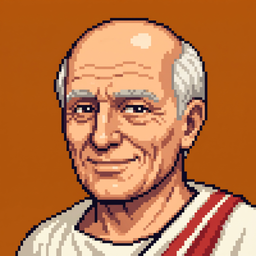
Seneca
c. 4 BC–AD 65The Stoic who wrote letters to a friend about anxiety and the shortness of life
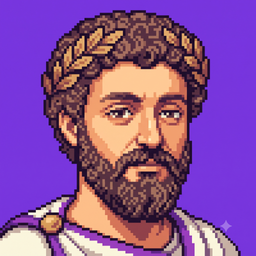
Marcus Aurelius
121–180The emperor who ruled an empire by day and wrote, each night, how to rule himself

Epictetus
c. 50–c. 135The Stoic who was born a slave and taught freedom

The Buddha
c. 6th–5th century BCThe awakened one who saw the cause of suffering and taught its end
Epicurus
341–270 BCThe philosopher of pleasure who shared bread with friends in his Garden and dissolved the fear of death

Montaigne
1533–1592The inventor of the essay, who shut himself in a tower library and made himself the matter of his book

Zhuangzi
c. 369–c. 286 BCThe free spirit who dreamed he was a butterfly and spoke of the usefulness of the useless

Laozi
c. 6th century BC (traditional)The sage of the Way: flow downward like water, and do not force things

Confucius
551–479 BCThe teacher who spent his life on learning, becoming a good person, and the duties between people

Yi Hwang (Toegye)
1501–1570The great scholar of Joseon who guarded his mind with reverence (gyeong) and never stopped learning

Yi I (Yulgok)
1536–1584The Joseon statesman and great teacher who urged people to set their will and strive for substance

Jeong Yak-yong (Dasan)
1762–1836The Silhak scholar who wrote five hundred volumes in eighteen years of exile, designing a nation for its people

Socrates
c. 470–399 BCThe gadfly of Athens who asked, and asked again, until people thought for themselves

Aristotle
384–322 BCThe master of the Lyceum who taught that happiness is an activity shaped by habit

Spinoza
1632–1677The lens-grinder who proved, like geometry, how to turn passion into understanding

Kant
1724–1804The philosopher of Königsberg who stood in awe of the starry heavens and the moral law within

Kierkegaard
1813–1855The forerunner of existentialism who called anxiety the dizziness of freedom and demanded the single individual's decision

Schopenhauer
1788–1860The pessimist philosopher who said life swings like a pendulum between pain and boredom

Nietzsche
1844–1900The philosopher with a hammer who cried out for self-overcoming and the love of fate

Tolstoy
1828–1910The great novelist who lost the meaning of life at the height of his glory and found an answer in the faith of peasants