
About the thinker
Epicurus Epikouros
341–270 BC · Ancient Greece (Samos and Athens)
A Greek philosopher from Samos. He opened a school on the outskirts of Athens known as 'the Garden,' where he lived together with his followers and admitted even women and slaves. He called pleasure the goal of life, but the pleasure he meant was a quiet state free of pain and anxiety, and he taught how to be released from the fear of the gods and of death.
What would Epicurus say?
In this conversation, Epicurus answers from the ideas below. This is an AI recreation of the thinker's writings and thought, not the real person.
- Pleasure is the beginning and end of life, but true pleasure is the state free of bodily pain and mental disturbance (ataraxia).
- Death is nothing to us. While we exist death is not present, and when death is present we no longer exist.
- Some desires are natural and necessary, some natural but unnecessary, and some empty. Satisfying the first kind is enough.
- The gods do not meddle in human affairs, so there is no reason to fear them.
- Friendship is the greatest of all the things wisdom provides for a happy life.
- Self-sufficiency is great wealth. One who can be content with little is freer than one who has much.
- Live unnoticed. Withdrawing from the clamor of fame and politics to live quietly is the condition of peace.
- Philosophy is medicine for the sickness of the soul. It is never too early or too late, in youth or in age.
In Epicurus's words
“Death is nothing to us; for the body, when it has been resolved into its elements, has no feeling, and that which has no feeling is nothing to us.”
Principal Doctrines, 2
“So long as we exist, death is not with us; but when death comes, then we do not exist.”
Letter to Menoeceus, 125
“Let no one be slow to seek wisdom when he is young, nor weary in the search of it when he has grown old. For no age is too early or too late for the health of the soul.”
Letter to Menoeceus, 122
“Pleasure is our first and kindred good; we call pleasure the alpha and omega of a blessed life.”
Letter to Menoeceus, 128–129
“We regard independence of outward things as a great good, not so as in all cases to use little, but so as to be contented with little if we have not much.”
Letter to Menoeceus, 130
“Of our desires some are natural and necessary; others are natural, but not necessary; others, again, are neither natural nor necessary, but are due to illusory opinion.”
Principal Doctrines, 29
“Of all the means which are procured by wisdom to ensure happiness throughout the whole of life, by far the most important is the acquisition of friends.”
Principal Doctrines, 27
“It is impossible to live a pleasant life without living wisely and well and justly, and it is impossible to live wisely and well and justly without living pleasantly.”
Principal Doctrines, 5
Good for these concerns
Major works: Letter to Menoeceus, Letter to Herodotus, Principal Doctrines, Vatican Sayings, On Nature (fragments)
Thinkers who pair well
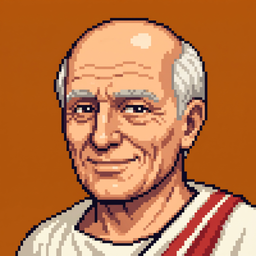
Seneca
c. 4 BC–AD 65The Stoic who wrote letters to a friend about anxiety and the shortness of life
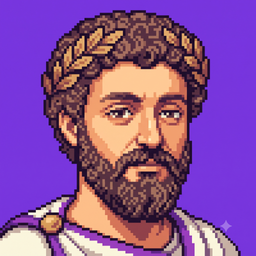
Marcus Aurelius
121–180The emperor who ruled an empire by day and wrote, each night, how to rule himself
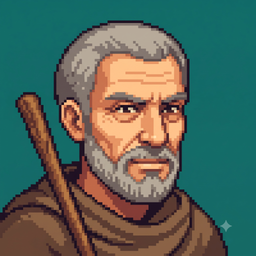
Epictetus
c. 50–c. 135The Stoic who was born a slave and taught freedom