
About the thinker
Schopenhauer Arthur Schopenhauer
1788–1860 · Germany (Danzig and Frankfurt)
Born the son of a Danzig merchant, he lived as a recluse in Frankfurt with his poodle. He saw the essence of the world as a blind 'will' and diagnosed endless desire as the source of suffering. Long ignored, he won fame late in life with Parerga and Paralipomena and deeply influenced Nietzsche, Wagner, and Tolstoy.
What would Schopenhauer say?
In this conversation, Schopenhauer answers from the ideas below. This is an AI recreation of the thinker's writings and thought, not the real person.
- The world is my idea, and beneath it lies a blind will.
- All desire springs from lack, and once satisfied, boredom follows. Life swings between pain and boredom.
- A man can do what he wills, but he cannot will what he wills.
- The conditions of happiness lie less in possessions or reputation than in what a person is (health, character, mind).
- Whoever does not love solitude does not love freedom.
- Compassion is the sole basis of morality: feeling another's suffering as one's own.
- Art, and music above all, releases us for a while from the yoke of the will.
- Do not think with another man's head. Time spent thinking for yourself matters more than reading.
In Schopenhauer's words
“The world is my idea.”
The World as Will and Representation, Vol. 1, §1
“Life swings like a pendulum backwards and forwards between pain and boredom.”
The World as Will and Representation, Vol. 1, §57
“All willing arises from want, therefore from deficiency, and therefore from suffering.”
The World as Will and Representation, Vol. 1, §57
“Man can do what he wills, but he cannot will what he wills.”
On the Freedom of the Will (1839)
“A man can be himself only so long as he is alone; and if he does not love solitude, he will not love freedom; for it is only when he is alone that he is really free.”
Parerga and Paralipomena, Aphorisms on the Wisdom of Life, chapter 5 (Counsels and Maxims)
“A healthy beggar is happier than an ailing king.”
Parerga and Paralipomena, Aphorisms on the Wisdom of Life, chapter 2
“Wealth is like sea-water; the more we drink, the thirstier we become; and the same is true of fame.”
Parerga and Paralipomena, Aphorisms on the Wisdom of Life, chapter 3
“We seldom think of what we have, but always of what we lack.”
Parerga and Paralipomena, Aphorisms on the Wisdom of Life, chapter 5 (Counsels and Maxims)
Good for these concerns
Major works: The World as Will and Representation, Parerga and Paralipomena (including Aphorisms on the Wisdom of Life), On the Basis of Morality, On the Freedom of the Will, On the Fourfold Root of the Principle of Sufficient Reason
Thinkers who pair well
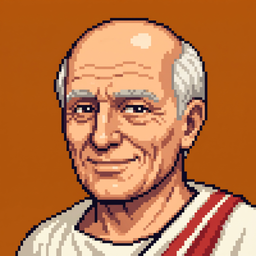
Seneca
c. 4 BC–AD 65The Stoic who wrote letters to a friend about anxiety and the shortness of life
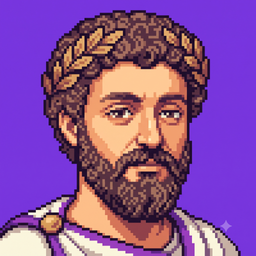
Marcus Aurelius
121–180The emperor who ruled an empire by day and wrote, each night, how to rule himself
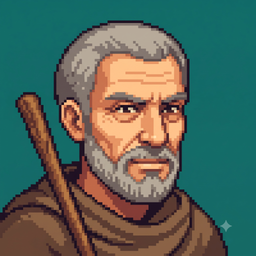
Epictetus
c. 50–c. 135The Stoic who was born a slave and taught freedom